13 Things You Should Never Put Down the Garbage Disposal
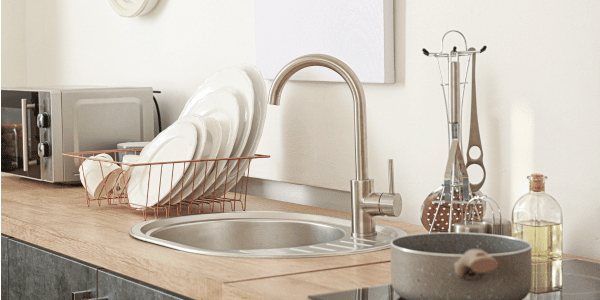
Treating your kitchen sink like a bottomless trash can is a recipe for disaster, even if it has a garbage disposal. Inappropriate food waste can clog the disposal and bring your kitchen to a grinding halt. Some common-sense garbage disposal tips and an understanding of what not to put down a garbage disposal can save you hundreds of dollars in plumbing costs. Keep reading as we explain how a garbage disposal works and identify 13 items that should never go in one.
How Does a Garbage Disposal Work?
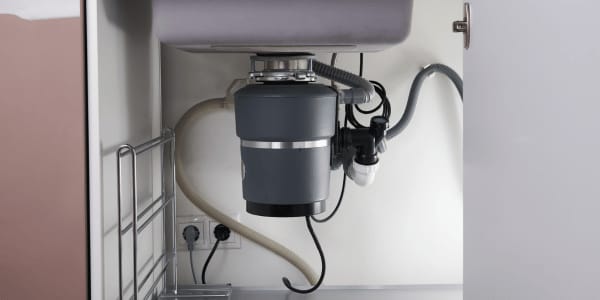
A garbage disposal consists of dull impellers mounted on a spinning plate. When you flip the switch, centrifugal force flings food waste outward against a stationary grind ring, pulverizing it into tiny particles that wash away with water.
Because the system relies heavily on water flow and centrifugal force, it's delicate. The key is to put the right things in the garbage disposal to get the most use out of it. To avoid causing damage and overloading the system, don't treat it as a waste basket. Its job is to catch food remnants, not everything you throw away.
RELATED: Expert Guide: How to Clean Your Refrigerator Like a Pro
13 Things Not to Put In a Garbage Disposal
To protect your kitchen plumbing, you must understand the causes of blockages and mechanical failures. Here are 13 things you should never feed into the disposal:
1. Coffee Grounds
Coffee grounds do not dissolve in water. Once in your drain, they accumulate in the pipes or P-trap like wet sand, creating a dense sludge that can cause a severe garbage disposal clogged pipe.
2. Starchy Foods
In water, potato skins become a sticky paste that traps food particles. Similarly, pasta and rice expand, choking the drain flow.
3. Fibrous Foods
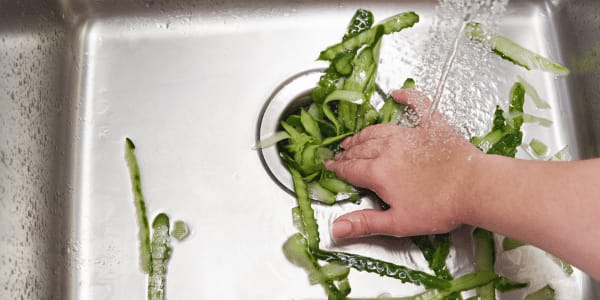
Instead of breaking down, stringy items like banana peels, celery, and rhubarb wrap tightly around the motor shaft, causing the disposal to stop working. Fibrous foods usually must be removed manually to restart the disposal.
4. Bones and Fruit Pits
Chicken, pork, and beef bones bounce around inside the machine, causing damage. Fruit pits and large seeds act like stones, jamming the motor and stripping internal gears.
RELATED: The Best Ways to Store Your Favorite Fruits & Veggies
5. Eggshells
It's a myth that eggshells sharpen disposal blades. Instead, their membrane-like linings peel away, wrap around plumbing components, and trap debris in pipes.
6. Grease, Fat, and Oil
Never pour grease, fat, or cooking oils down a drain. These liquids cool and solidify inside your pipes, coating the interior walls and catching other food particles to block water flow.
7. Onion Skins
The thin, papery outer skins of onions do not break down. They slip past the grinding mechanism intact and lie flat across pipe openings, creating suction-cup blockages.
8. Fatty Meat Scraps
While small meat scraps are fine, dumping large quantities of fatty trimmings causes the scraps to congeal in the drain, leading to a blockage.
9. Non-Food Items
Stickers, plastic wrappers, cigarette butts, paper towels, and wet wipes will all cause significant damage. Disposals only process organic material; foreign objects damage the motor.
10. Shellfish
Lobster, crab, and oyster shells are too rigid for the grinding ring to break down. They can jam the mechanism, dull the impellers, and strain the motor, causing it to stop.
11. Corn Cobs and Husks
Corn cobs are too dense to grind and will jam the machine's internal workings. Husks break down into long strings that wrap around the motor shaft.
12. Caustic Chemicals
Pouring harsh chemical drain cleaners or bleach into your disposal isn't a good idea. These chemicals may corrode the metal housing and degrade rubber seals over time.
13. Large Quantities of Ice
When it comes to ice, quantity and cube size matter. While a few small ice cubes can help clean sticky residue off chamber walls, dumping large quantities will overload the machine and stall it.
What Can Go Down a Garbage Disposal?
- Small soft fruit scraps (berries, melon cubes)
- Cooked meat scraps cut into small pieces
- Soft vegetables (steamed carrots, squash chunks)
- Citrus peels (lemon and orange halves for freshness)
- Small ice cubes (great for cleaning and sharpening edges)
- Shrimp and fish scraps (without hard shells or bones)
- Small bread crusts or leftover pastry crumbs
- Cold running water is critical to flush food down the drain.
How to Clean a Garbage Disposal
- Turn off the circuit breaker controlling the disposal to ensure it cannot accidentally activate.
- Remove the rubber splash guard and scrub it thoroughly with dish soap and a brush to remove slime.
- Pour two cups of ice cubes down the disposal, followed by one cup of rock salt. Run cold water and turn on the disposal until the ice is crushed.
- Drop lemon or lime wedges into the running disposal while flushing with cold water to neutralize food odors.
Replacing Your Garbage Disposal
If your garbage disposal consistently runs into issues, it might be time to replace the appliance altogether. There are two types of disposals to choose from: continuous feed and batch feed. Research how they compare to one another and their efficiency before you buy. Once installed, you should be able to get around 15 years of use out of your new unit.
More Home Maintenance Help
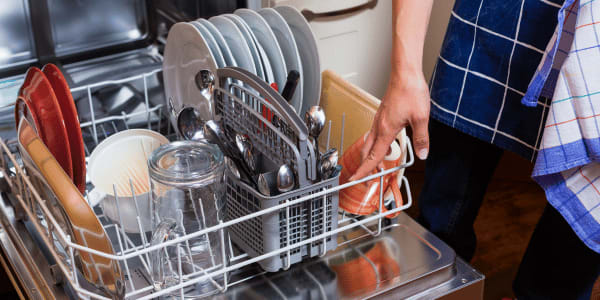
By respecting the limitations of your garbage disposal, you drastically extend its lifespan. For more expert home maintenance tips and household guides, check out our comprehensive guide on essential dishwasher tips.
Frequently Asked Questions About Garbage Disposals
How to reset a garbage disposal?
If your disposal hums but won't grind, turn off the wall switch. Look under the sink and find the red or black reset button, usually on the bottom of the motor housing. Push the button to reset the disposal. If it trips repeatedly, you may have a jam requiring manual clearing.
How long do garbage disposals usually last?
With proper care and regular cleaning, a quality garbage disposal can last up to 15 years. Poorly treated units will likely fail more quickly. Understanding what can and can't go into the disposal helps you make the most out of this helpful kitchen appliance.
Is it okay to pour boiling water down a garbage disposal?
No, extreme heat can warp rubber components, seals, and plastic housing parts. It can also soften PVC plumbing joints.
What can I pour down my garbage disposal to make it smell better?
Grind up fresh citrus peels, or pour half a cup of baking soda down the drain and a cup of white vinegar. Let it fizz, then flush with cold water.
Why put ice in the garbage disposal?
The tumbling action helps clean the inside of the housing, removing grease, food sludge, and sticky residue. Remember to be mindful of how much ice you use when cleaning your unit. Too much and it will shut down until some of the ice melts.