Mastering Matcha: History, Health Benefits, and How-Tos
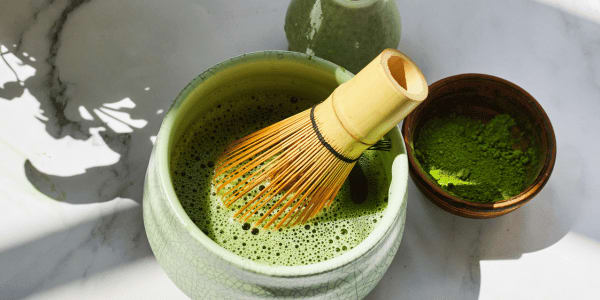
What is matcha? Matcha is finely ground powder made from green tea leaves that’s mixed into hot water or milk to create a frothy drink. What started as a traditional element of Japanese tea ceremonies has become a trendy beverage found in coffee and tea shops around the world. Read on to learn about matcha’s intriguing history, its unique and meticulous production process, and its science-backed wellness properties.
What Is Matcha?
Matcha is green tea leaves in their most potent form—powdered. Unlike traditional green teas, which involve steeping the Camellia sinensis leaves in hot water and then discarding them, matcha green tea leaves are ground to a powder. Instead of steeping, you whisk the finely ground matcha powder directly into hot water or milk to create a frothy drink.
According to the Japan Matcha Association, processors cultivate the leaves by shading them from sunlight, giving them a savory aroma—known as kabusekou—and a sweeter, less astringent taste than other green teas. Because you ingest the whole leaf rather than throwing it away, you benefit directly from its concentrated nutrients and antioxidant properties.
A Brief History of Matcha
The story of matcha stretches back centuries, from its ancient medicinal roots to the celebrated staple it is today.
Origins
The origins of matcha trace back to the Tang Dynasty in China (618–907 AD). During this historic time, the tea leaves were steamed and then compressed into solid bricks for easy storage and trade. To prepare the tea, a piece of the brick was broken off and boiled with salt and seasonings.
During the Song Dynasty (960–1279 AD), preparers would pulverize dried tea leaves into a powder and whisk them with hot water. This preparation was a specialty favored by Zen Buddhist monks, who found it provided a sustained sense of calm necessary for hours of silent meditation.
Evolution
Around the late 12th century, Eisai, a Japanese Buddhist monk, traveled to China. He returned to his home country with the tea seeds and preparation methodology. Over time, matcha fell out of favor in China, but it grew in popularity in Japan, where they refined leaf cultivation and preparation techniques. The Japanese tea ceremony (Chanoyu or Sadō) focuses on the preparation and serving of matcha. Today, matcha is tied to Japanese cultural heritage, with modern food science bringing it to the international culinary stage.
Is Matcha Good For You?
Yes. In fact, matcha can positively impact your physical and mental well-being in several ways:
- Abundant in Antioxidants: Matcha is known for its polyphenols, including the catechin epigallocatechin gallate (EGCG). These help reduce stress and protect cellular health.
- Sustained Energy: Matcha does contain caffeine, but it also features the unique amino acid L-theanine. It’s a combination that helps prevent the jitters and subsequent crash associated with coffee, while fine-tuning mental focus and memory.
- Support for Metabolic Health: Research suggests that matcha enhances how the body burns calories. This supports a healthy metabolism when combined with a balanced diet and regular exercise.
- Heart and Liver Health: There is clinical evidence that high-quality matcha powder has properties that support healthy cholesterol levels and protect liver function.
Related: Essential Vitamins List: 17 of the Most Popular Types of Vitamins
What Does Matcha Taste Like?
Matcha is naturally sweet and savory with a rich, creamy mouthfeel and earthy aroma. It features an umami undertone, along with a pleasant initial bitterness and sweet aftertaste.
Ceremonial-grade matcha is higher quality with a decadent flavor profile and little bitterness. Culinary-grade matcha is lower quality, possessing a bolder, more robust flavor perfect for mixing with creamy beverages and sugar.
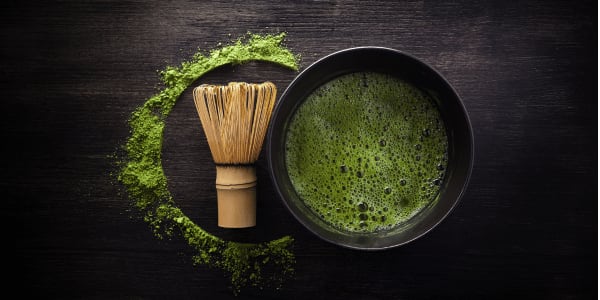
To prepare matcha, make sure the water temperature is between 160°F to 175°F and whisk the powder in a zig-zag motion for optimum results. Water that’s too hot can scorch the powder, resulting in a bitter and chalky flavor.
Matcha vs. Green Tea: What's the Difference?
Both come from the same plant, but matcha tea and traditional green tea are different in:
- Cultivation: Matcha plants grow in the shade to boost chlorophyll and amino acids.
- Processing: Green tea leaves are steamed or pan-fired, then rolled and dried. Matcha leaves are steamed and then stone-ground into a fine powder.
- Preparation and Consumption: To prepare green tea, you steep the leaves, then discard them. With matcha, the leaves are whisked into hot water, and you consume them.
- Flavor and Caffeine Levels: Green tea has a light, slightly astringent flavor and typically contains lower amounts of caffeine. Matcha offers a denser, creamier umami flavor and a higher caffeine concentration.
Related: Super Duper Foods: Everything You Need to Know About The Five Most Powerful Superfoods
Understanding Matcha Grades
Matcha is typically separated into two grades. Choosing the right one for you depends on how you want to use your matcha.
Ceremonial Grade
Ceremonial-grade matcha is harvested from the youngest leaves at the top of the plant. That gives it a smooth, sweet, and mellow flavor, especially when prepared traditionally with just hot water.
Culinary Grade
Culinary-grade matcha comes from older leaves lower on the plant, yielding a stronger flavor suitable for other uses.
How to Make Matcha at Home
Making a traditional bowl of matcha is a simple process:
- Gather Your Tools: Matcha powder, a fine-mesh sifter, a bamboo whisk, a bamboo scoop or teaspoon, and a ceramic bowl.
- Sift the Powder: Sift 1/2 to 1 teaspoon of matcha powder through the mesh sifter into your bowl to eliminate clumps.
- Add Water: Pour in 2 to 3 ounces of hot water (ideally 160°F to 175°F to avoid scorching the delicate tea).
- Whisk Vigorously: Using a loose grip, whisk rapidly in a tight "W" or zig-zag motion across the bottom for 15 to 30 seconds until a uniform, frothy foam forms.
The Takeaway
Matcha is an earthy drink that can bring a sense of calm focus to your daily wellness routine. To get a better understanding of how tea can impact your health, read “There’s a Tea for That: Tips for Picking the Right Tea for What Ails You”.
Matcha FAQs
Does matcha have caffeine?
Generally, it contains 19–44 mg of caffeine per gram. That means a typical serving might contain up to 176 mg of caffeine, depending on the preparation. Typically, it has less caffeine than coffee but more than green tea.
Can you drink matcha every day?
Most healthy adults can drink one or two cups of matcha daily. If you take medications or are pregnant or breastfeeding, talk to your healthcare provider to ensure it is safe for you.
Does matcha expire?
Unopened matcha lasts 6 to 12 months in a cool, dark, airtight container, while opened matcha is best consumed within 4 to 8 weeks.
Can I drink matcha every day?
Absolutely, it can help you sustain energy levels and avoid afternoon slumps.