Your Guide to Fermented Foods

If you’ve ever thought of fermented foods as some new and trendy gastronomical invention, think again. Humans began fermenting foods at the dawn of civilization. Some 13,000 years ago, ancient hunters brewed beer from wild grain. There’s also evidence of dairy fermentation as early as 10,000 BCE, as milk was curdled into cheese and yogurt.
Read on to learn more about fermented foods, fermented food health benefits, fermented food gut benefits, how to ferment foods, and much more!
LEARN MORE: Beer Decoded: Understanding the Basics
What Are Fermented Foods?
Fermented foods are created through a fermentation process. Specifically, bacteria, yeast, or molds convert natural sugars into compounds that make the food more flavorful, enhance its health benefits, and preserve its quality.
These compounds are called microorganisms. Although microorganisms are used to create fermented foods, they can change and burn off depending on the fermentation process used.
That’s why you’ll find different health benefits in each type of fermented food. For example, yogurt may include live probiotics while sourdough bread will not.
Fermented Food Benefits
Whether it’s a smooth yogurt or a sour pickle, fermented foods are delicious, healthy, and loaded with nutrients. Here are some of the biggest health benefits you may see from consuming them:
- Healthier gut. The microbes and nutrients found in fermented foods can help existing gut bacteria, so your system can break down food more easily.
- Enhanced immune function. Bioactive compounds can help with immune function, helping you heal from illnesses faster.
- Easier digestion. Fermented foods break down foods and complex carbohydrates so that you can digest food more easily.
Fermented Foods for Gut Health
Fermented foods are especially good for your gut microbiome. The gut microbiome is the grouping of microorganisms that live in your digestive tract. People also have bacteria in their gut. The microbiome is the ecosystem of bacteria and other microorganisms that work together with your body.
Fermented foods pass through your intestines and interact with your gut microbiome, influencing its environment and potentially improving gut function (everyone responds differently).
Fermented foods particularly good for gut health:
- Yogurt with live cultures
- Kefir
- Kimchi
- Sauerkraut
- Tempeh
- Miso

Fermented Foods to Make at Home
Making fermented foods at home is easier than you might think. Not only that, but fermenting also allows you to get more life out of your vegetables and boost your gut health in the process. To make fermented foods at home, all you need is water, salt, and fresh produce.
Best Produce to Ferment
- Carrots
- Cabbage
- Cucumbers
- Beets
- Peppers
- Onions
- Garlic
- Radishes
- Green beans
- Broccoli
Step-by-Step Guide to Fermenting Vegetables
You don’t need to be a culinary pro to ferment vegetables. The process is simple:
- Wash your vegetables.
- Cut the produce into sticks, slices, or shreds.
- Make a brine by dissolving kosher salt in unchlorinated water. Use 1 tbsp of salt for every 2 cups of water.
- Pack vegetables into a mason jar.
- Pour the brine over the vegetables, making sure they’re fully submerged.
- Place the lid on the jar, keeping it slightly open. The carbon dioxide will need to escape somehow.
- Leave the jar in a dark, dry place for 5-7 days to ferment.
- Taste, and if the sourness meets your approval, refrigerate to stop the fermentation process. If you’d like the fermented food to be sourer, leave it out longer until it reaches your desired taste.
Super Duper Foods
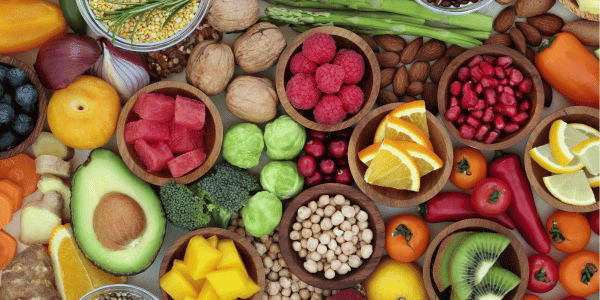
Fermented foods act as a superfood, supporting a healthy gut and positively affecting metabolic function. However, foods don’t have to be fermented to deliver the vitamins and nutrients your body needs. Berries, nuts, and leafy greens are packed with vitamins, minerals, and antioxidants. Read “Super Duper Foods: Everything You Need to Know About The Five Most Powerful Superfoods” to learn how these, and other foods, do your mind and body good.
FAQs About Fermented Foods
What are the top 10 fermented foods?
The top 10 fermented foods include yogurt, kombucha, kefir, kimchi, sauerkraut, tempeh, miso, sourdough bread, cheese, and pickles. Add these foods to your diet to improve digestion.
Can you give me a list of fermented foods?
Yes, here’s a list of fermented foods:
- Yogurt
- Kombucha
- Kiefer
- Kimchi
- Sauerkraut
These fermented foods introduce live probiotic bacteria to improve your microbiome.
What are the three superfoods for your gut?
Fermented foods act as superfoods for your gut, providing the compounds the microbiome needs to diversify and thrive. The best fermented foods for your gut are yogurt, sauerkraut, and kimchi.
Is Greek yogurt a fermented food?
Yes, Greek yogurt is a fermented food. Greek yogurt is made through a fermentation process using live bacterial cultures, which are gut-friendly. This bacterium converts sugar into lactic acid, giving it a tart flavor and supporting gut health.