The Stories Behind Your Favorite Thanksgiving Traditions
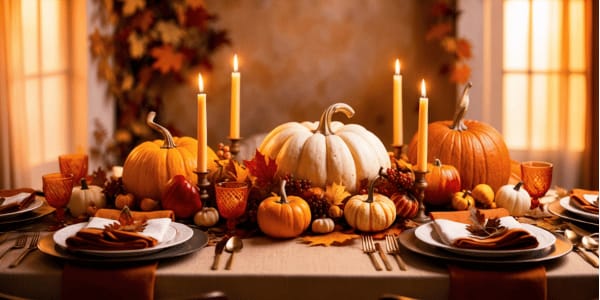
As autumn leaves cover yards in dazzling amber and gold, homes across the nation prepare for one of America's most cherished holidays: Thanksgiving. It’s a chance to step away from daily routines and celebrate family, friends, and the year's blessings. From televised parades to epic football games, Thanksgiving is steeped in tradition and shared history. Read on to learn how these holiday rituals evolved into the customs we practice today.
The Origins of Thanksgiving
The holiday has a complex history that began in 1621. That autumn, the Plymouth colonists and the Wampanoag Native Americans gathered for a three-day harvest celebration in what is now Massachusetts. The Pilgrims had endured a devastating first year in the New World, losing nearly half their population to sickness and starvation. Without the Wampanoag people's kindness, agricultural expertise, and generosity—who taught the newcomers how to cultivate native crops like corn, beans, and squash—few colonists would have survived.
It wasn’t until the 19th century that magazine editor Sarah Josepha Hale successfully campaigned to make it official. After decades of writing letters to presidents, her efforts paid off in 1863 when Abraham Lincoln proclaimed a national day of Thanksgiving, hoping to heal a broken nation amid the Civil War.
Why Do We Eat Turkey on Thanksgiving?
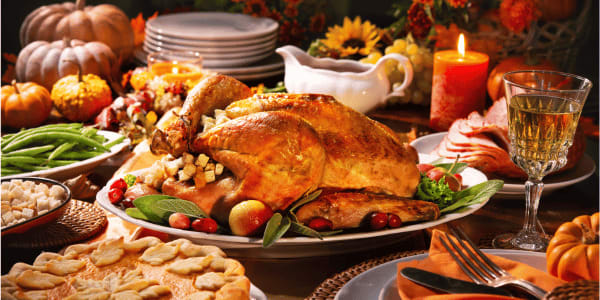
Long before European settlers came to the New World, wild turkeys were abundant across the land. They served as a vital food source for the indigenous tribes living there. Over the years, people chose turkey for Thanksgiving for practical reasons. The birds were large enough to feed many people; they grew quickly in the summer months and were readily available during the fall. They also weren't needed for other food sources, such as eggs or milk. Later on, authors such as Washington Irving and Charles Dickens created a romanticized image of the holiday table, with a roasted turkey at its center. Literature made the turkey the ultimate symbol of abundance and shared family celebration.
The History Behind Thanksgiving Side Dishes
While the turkey is the star of the Thanksgiving table, the meal's real satisfaction often comes from the celebrated, time-honored side dishes. Exploring old Thanksgiving traditions reveals how these staples came to be.
Stuffing & Dressing
In the Roman Empire, people stuffed almost everything with herbs, spices, and grains. By the time colonists arrived, the stuffing mixture had evolved to include bread, sage, onions, celery, and local herbs. It was an economical way to stretch a meal and use old, stale bread.
Mashed Potatoes & Gravy
Potatoes are native to South America and were brought to Europe by Spanish explorers, who initially viewed them with deep suspicion, fearing they were poisonous. Over time, attitudes changed—helped by food lovers like Benjamin Franklin, who served potatoes while acting as the American ambassador in France to help combat food shortages. Later, Irish immigrants popularized potatoes in America, and they eventually earned their permanent spot on the Thanksgiving table, smothered in rich gravy.
Cranberry Sauce
Native Americans have used wild cranberries for centuries to brighten up food, dye fabric, and even as medicine. Early settlers used cranberries with sweeteners such as maple syrup or honey to make a sauce.
In the early 20th century, Marcus L. Urann, the inventor of Ocean Spray jellied cranberry sauce, introduced the treat to grocery store shelves, and the rest is history. The tart flavor of the berries makes them a perfect complement to savory foods such as turkey and stuffing.
Pumpkin Pie
English settlers found staples like flour hard to get, so they improvised. They hollowed out pumpkins, filled them with milk, spices, and honey, and baked them over hot ash to make a pie. Today, pumpkin pie is one of the most anticipated Thanksgiving treats.
Why Families Gather on Thanksgiving
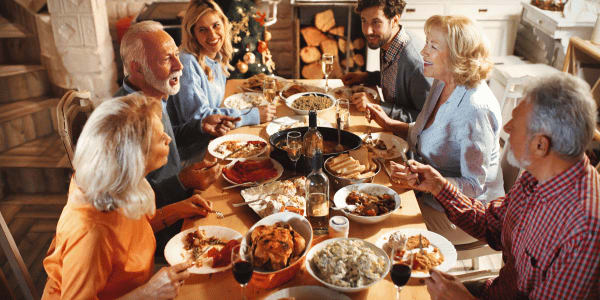
Thanksgiving is more than food and football. It holds a sacred place on the calendar because it focuses on gathering. Unlike other “family-oriented” holidays like Christmas, which is more about gift-giving and comes with commercial pressures, Thanksgiving has one simple mandate: come home.
In an increasingly mobile society, Thanksgiving weekend is one of the year's busiest travel holidays. People will brave traffic gridlock and crowded airports just to sit around a table with parents, siblings, grandparents, and childhood friends and eat. This annual migration reinforces the primal need for belonging and connection to your roots.

The Tradition of Watching Football on Thanksgiving
When wondering what are some Thanksgiving traditions that bring everyone together in the living room, football immediately comes to mind. On Thanksgiving Day, we often spend the afternoon sitting in front of a screen watching college and professional football.
It’s a practice embedded in early Thanksgiving customs that dates back to the very beginning of American football. In 1876, Yale and Princeton universities played an intercollegiate championship game on Thanksgiving Day. It started a tradition that spread to high schools and colleges nationwide. Some families even made it a yearly event in their backyards. Eventually, the National Football League (NFL) realized that playing on holidays was a massive crowd-pleaser, and they joined in.
RELATED: 7 Thanksgiving Traditions You Should Start This Year
How the Macy's Thanksgiving Day Parade Began
For many households, watching the parade is part of fun Thanksgiving traditions. Macy's department store employees launched the parade in 1924, many of whom were first-generation immigrants looking to showcase their holiday spirit. In 1927, the parade replaced live animals with massive helium balloons, starting with Felix the Cat. Giant inflatable cartoon characters floating down the avenues of New York City have enchanted children and adults for nearly a century.
Why We Share What We're Thankful For
In early America, days of Thanksgiving were to express communal gratitude for survival, harvest bounties, or civic stability. As years passed and societies evolved, gratefulness transformed into something more personal. Today, modern households create an intentional pause to give thanks on Thanksgiving Day amid the chaos of life. Sharing these thoughts publicly strengthens family bonds, offering a reminder of what truly matters.
Conclusion
Thanksgiving remains a favorite holiday in part because it is not weighed down by the commercialism that has overtaken other family traditions. Whether you’re roasting a traditional turkey, perfecting a family stuffing recipe, or gathering Thanksgiving tips to expand your holiday celebration, this is the day to share your gratitude with others and reinforce community.
Thanksgiving Tradition FAQs
Who decided Thanksgiving would be on Thursday?
The choice of Thursday stems from early colonial religious practices. Choosing Thursdays allowed them to avoid both market day and the sabbath.
When did Thanksgiving become a national holiday?
People have been celebrating Thanksgiving since the 17th century. However, it didn’t become a national holiday until Abraham Lincoln issued a presidential proclamation in October 1863, setting the final Thursday of November as a national day of Thanksgiving and praise.
What was served at the first Thanksgiving?
The 1621 harvest feast featured a menu vastly different from today's traditional turkey dinner. Historical journals tell us it consisted of wild fowl, mostly ducks and geese, venison, native corn, squash, beans, fish, and foraged nuts and berries.
What is the oldest Thanksgiving tradition?
Gathering for a meal is the oldest tradition for this holiday. It started when the Pilgrims sat with the Wampanoag people to enjoy good food and give thanks.