200 Years of Beer: The Untold Story of Oktoberfest
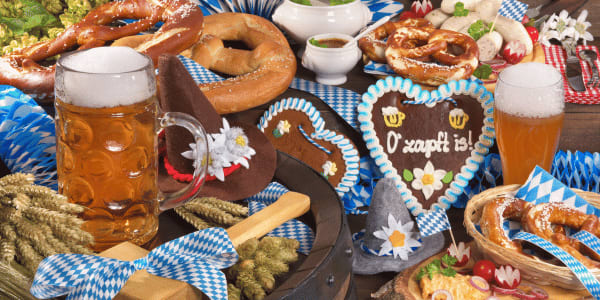
There's just something about fall and festivals. The weather cools down, leaves change colors, and different groups come together for celebrations like Día de los Muertos, Diwali, and so many state fairs.
Then there's Oktoberfest, a German festival famous for beer, food, music, and traditional clothing. People all across the world celebrate it, but how did the big bash begin? Keep reading to learn about the history of Oktoberfest, when it takes place, and the traditions that make it so special.
What is Oktoberfest?
Oktoberfest is the world's largest and most popular folk festival. Held annually in Munich, Germany, millions visit the main event every year, enjoying plenty of beer in addition to:
- Traditional food
- Live music
- Dancing
- Amusement rides
- Games
- Costumes
- Community celebrations
How Long Is Oktoberfest?
Oktoberfest is a two-week-long fall festival that, despite its name, mostly takes place in September. So, why is it called Oktoberfest instead of Septemberfest? The original 1810 celebration was held on later dates, and the name stuck even as organizers gradually moved the dates earlier to take advantage of better weather and more daylight. Now starting in mid-September, modern Oktoberfests end after the first weekend of October.
When is Oktoberfest?
Oktoberfest 2026 in Munich, Germany, is scheduled for September 19 through October 4. Local versions of the event take place on various dates in September and October.
The History of Oktoberfest
Oktoberfest began on October 12, 1810, but beer wasn't the reason for the celebration.
The wedding of the Crown Prince Ludwig of Bavaria (the largest state in Southern Germany) and Princess Therese of Saxe-Hildburghausen initiated what we know today as Oktoberfest.
The couple invited about 40,000 citizens to celebrate, hosting several days of festivities that included a massive feast, parades, music, and a huge horse race.
In 1811, the race was held again, but it was combined with a state agricultural fair to draw more attendees and attention. In 1818, carnival rides, food, and hallmark beer stalls were added to the festival. The festival grounds were named Theresienwiese, or "Therese's Meadow," in honor of the new princess, and that name remains today.
Oktoberfest Beer
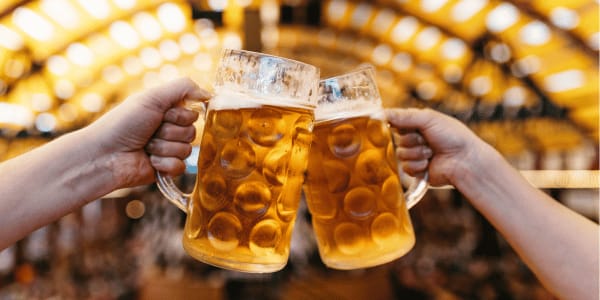
Beer stands and larger beer-serving areas gradually became part of the festival as it expanded.
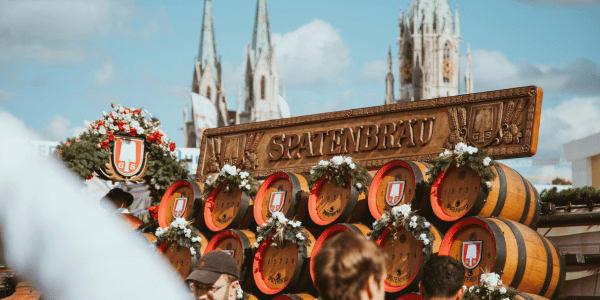
By the end of the 1800s, beer stands had been replaced by the first large tents and halls. These massive tents eventually became synonymous with Oktoberfest and helped transform the festival into a beer-centered celebration, with each tent now associated with a specific Munich brewery.
Today, around 7.5 million liters of beer are drunk at Munich's Oktoberfest each year. The beer is typically sold in one-liter beer steins. A full traditional mug weighs almost six pounds, and the expert servers can carry up to 18 mugs at once!
What Do People Wear at Oktoberfest?
If you've ever seen pictures of Oktoberfest, you've probably noticed the traditional clothing.
Men often wear lederhosen, short or knee-length leather breeches traditionally associated with Bavaria and the Alpine regions. Women commonly wear dirndls, traditional dresses consisting of a bodice, blouse, skirt, and apron. While these Oktoberfest outfits have historical roots in Germany, they have become an important way for visitors and non-Germans to get in on the fun worldwide.
What Do You Eat at Oktoberfest?
You can't celebrate Oktoberfest without good food! Traditional Bavarian dishes are a major part of all festivities. Some of the most popular Oktoberfest foods include:
- Bratwurst: A classic German sausage often served with mustard.
- Pretzels: Large, soft Bavarian pretzels are an Oktoberfest staple.
- Schweinshaxe: A roasted pork knuckle with crispy skin.
- Schnitzel: Breaded and fried meat, commonly served with potatoes or salad.
- Sauerkraut: Fermented cabbage that pairs perfectly with sausages and other German dishes.
- Obatzda: A creamy Bavarian cheese spread often served with pretzels.
- Apfelstrudel: A sweet apple pastry that's perfect for dessert.
Oktoberfest Traditions
More than two centuries after that first royal wedding celebration, Oktoberfest has developed plenty of traditions of its own. One of the most famous is the official opening ceremony. Thousands gather and count down to the start, like you would on New Year's Eve.
Then, the mayor of Munich traditionally taps, or breaks open, the first keg of beer to signal the beginning of the festival, shouting "O'zapft is!" (It's tapped!) once the keg is opened. This ceremonial tapping happens in the Schottenhamel tent, the oldest and most famous beer tent at the event. This has happened at every Oktoberfest since 1950.
Music is another major part of the celebration. Traditional brass bands perform throughout the festival, filling the beer tents with lively Bavarian music and encouraging visitors to sing, dance, and raise their glasses. Amusement rides are also an essential part of the experience. From classic carousels to towering modern attractions, Oktoberfest offers plenty of entertainment beyond its drinks and dressing.
Oktoberfest Around the World
You don't have to travel to Munich to experience Oktoberfest. Oktoberfest-inspired celebrations are held in communities around the world, including in the United States. While these events may differ from the original festival in size and specific celebrations, they all incorporate German food, Bavarian music, traditional clothing, dancing, games, and plenty of seasonal fun. Search Oktoberfest and your city or local area to learn more!
More Fall Festivals
The history of Oktoberfest is rich, but it's not the only fall festival with centuries of stories. Dia de los Muertos goes back thousands of years and is rooted in pre-Columbian Mesoamerican rituals. To learn more about Dia de los Muertos, check out "FAQs: Day of the Dead."