Still In The Cards: A Look Into the World of Trading Cards
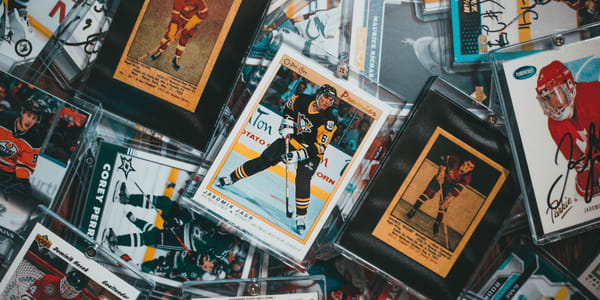
Once upon a time, trading cards were simply marketing inserts used to stiffen cigarette packaging. Today, they represent a multi-billion-dollar industry that blends memories, culture, and investment. From iconic athletes to pivotal moments in history, these collectibles offer enthusiasts of all ages a tangible connection and the allure of high-stakes value.
The History of Trading Cards
While trading cards are often synonymous with sports icons, their roots tell a far different story. The earliest versions were pocket-sized keepsakes carried by 19th-century gentlemen.
Early Origins
Back in the 1860s, trade cards were the equivalent of business cards. They featured a bright lithograph on one side and an ad on the other. By the 1880s, tobacco companies realized that these cards could protect fragile cigarettes from being crushed. To make them more interesting, they printed images and information about military heroes and baseball stars on them.
It wasn’t until the 1930s and 40s that companies like Goudey and Play Ball started pairing trading cards with sweet bubble gum. In 1952, the Topps Company changed the game forever by introducing what we now know as modern trading cards, complete with bright colors and player stats. With that, baseball cards became a classic piece of Americana.
Modern Resurgence
The internet has brought trading cards back into the spotlight, transforming a once-local pastime into a global marketplace where collectors can connect and trade instantly.
The pandemic further fueled this resurgence. Many dusted off their old shoeboxes and rediscovered the excitement of this time-honored hobby. As interest soared, trading card values climbed to record highs.
The Different Types of Trading Cards
Whether you’re into sports, fantasy games, or pop culture, there’s a trading card for you. These are just a few of the most popular kinds of collections:
- Sport Cards: This is the version most people recognize—cards across the major leagues, with signed editions commanding higher prices.
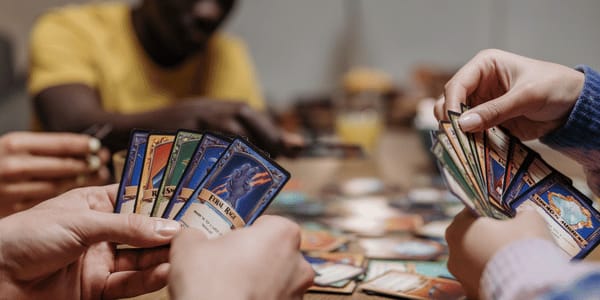
- Trading Card Games (TCG): Games like Pokémon, Magic: The Gathering, and Yu-Gi-Oh! turn trading cards into interactive battles.
- Pop Culture & Entertainment: Trading cards built around film franchises like Star Wars and Marvel are a big part of the cinematic world.
- Non-Sport Vintage: This includes cards from 1950’s sci-fi shows like Mars Attacks, along with sets featuring famous landmarks.
What Makes a Trading Card Worthwhile?
Not every trading card is particularly valuable. Collectors look for a few specific things to determine a card’s worth. Stay knowledgeable of the following to know if you’ve got something special on your hands:
- Condition & Grading: Condition comes first; graders assess corners and centering, assigning a 1–10 score, with higher scores indicating higher value.
- Rarity: Scarcity drives demand, and limited-edition cards increase worth.
- The Rookie Factor: A player’s first licensed card is often the most sought after.
- Add-ons: Finding a card with an authentic on-card autograph is highly coveted among collectors.
How to Start a Trading Card Collection
Ready to start your own trading card collection? Getting in is simple. Here’s what you need to know before you start buying.
Where to Buy Trading Cards
Standard retail packs are widely available at big-box stores, but local hobby shops offer better odds at rarer, high-value cards. If you’re chasing a specific card, check trusted online platforms like eBay, collector groups, or trade shows.
Stick to reputable sellers, use secure payments, and consider recording unboxing videos as proof of damage. As always, if a deal seems too good to be true, it probably is.
How to Store Trading Cards
Trading cards are more than a hobby—they’re an investment, so proper care matters. Begin by placing each card in a penny trading card sleeve, a thin plastic cover designed to protect its surface. For added security, store sleeved cards in top loaders, rigid plastic cases that prevent bending.
For premium protection and display, many collectors use magnetic one-touch cases, which provide UV resistance and acid-free storage to maintain mint condition. Once preserved, store your cards in a cool, dry place away from sunlight to prevent fading and long-term damage.
Trading Cards & Other Fun Collections
Collecting trading cards is a fun hobby that should allow you to meet plenty of like-minded individuals building up their stock or looking for a big, rare hit. For more niche collections, consider getting into garden gnomes. Just like trading cards, they have a long, interesting history that stretches back to ancient mythology and includes a modern resurgence. For more information, dive into “The Curious Origins of the Garden Gnome.”
Trading Card FAQs
What is the most expensive trading card?
The 1998 Pikachu Illustrator Pokémon card is the most expensive trading card ever sold. It sold for $16,492,000 in February 2026.
How big is a trading card?
Trading cards measure 2.5 by 3.5 inches.
What was the first trading card game?
Magic: The Gathering was the first official trading card game.
What is the most popular trading card game?
Pokémon continues to be the world’s most popular trading card game.