The Ultimate Seasonal Allergy Survival Guide
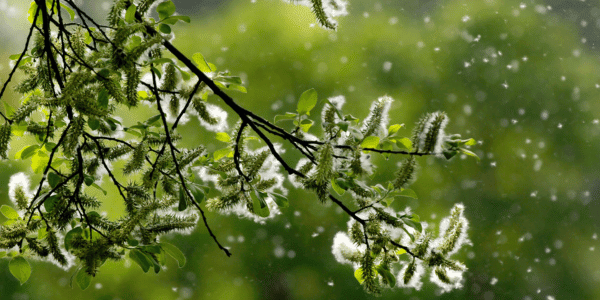
Morning sniffles, watery eyes, and a scratchy throat—do these seasonal allergy symptoms sound familiar? While the changing seasons can be beautiful, those with a sensitive immune system can feel the undesirable effects of seasonal allergies.
To help you identify your triggers and find fast relief, read our allergy season survival guide. Think of it as your personal gateway to enjoying the great outdoors this spring!
What Are Seasonal Allergies?
Seasonal allergies, also known as allergic rhinitis or hay fever, are simply an overreaction of the immune system. Usually, outdoor seasonal allergies occur in early spring and fall as flowers bloom and pollen counts rise.
That rise increases the presence of airborne substances, like mold, dust, and pollen. When some people inhale these harmless invaders, they’re mistakenly perceived as threats. In response, their immune systems release histamines, causing uncomfortable seasonal allergies symptoms.
Common Symptoms of Seasonal Allergies
- Sneezing
- Congestion
- Fatigue
- Coughing
- Itchy eyes
- Runny nose
What’s Making You Sneeze?
More than one-fourth of all adults in the United States have seasonal allergies, but triggers vary from person to person. For most spring seasonal allergy sufferers, pollen from grasses, weeds, and trees is the culprit. Other common seasonal allergens include mold and dust mites. Spring’s heavy rains can lead to mold growth in your home, and open windows and spring cleaning can increase the number of dust mites in the air.

How To Get Allergy Relief
The best defense against seasonal allergies is a good offense. This means taking steps to stop seasonal allergy symptoms before they start. Here are tips on how to treat seasonal allergies:
1. Understand What Makes You Vulnerable
Because seasonal allergy triggers can vary by location, it’s important to understand the environment where you live. When are pollen counts typically the highest? And what type of pollen thrives in your area?
Not all pollen is the same. You may be sensitive to tree pollen, which is most common in spring, or you might react to specific types of grass pollen that are prevalent during the summer.
If you don’t know what’s causing your seasonal allergies, track your symptoms and look for patterns. Note what activities you engaged in before your allergy symptoms appeared and when they subsided. The more you learn about what spikes your seasonal allergy symptoms, the better equipped you’ll be to manage them.
2. Be Aware of Day-to-Day Levels
To treat seasonal allergies, it’s important to monitor local pollen and mold counts each day and plan accordingly. If pollen levels are high, limit outdoor activities, especially in the mornings.
Pay attention to the weather, too. On windy days, pollen spreads, so your symptoms can be more intense. Rain, however, cleans the air, at least temporarily. Taking a walk after an April shower may help you relax without setting off your seasonal allergies.

3. Take Allergy Medicine
The easiest way to avoid the effects of seasonal allergies is to take proper medication ahead of time. There are a variety of seasonal allergy medications available to treat sneezing, stuffiness, and so much more, including:
- Antihistamines. Over-the-counter medications that reduce sneezing, itching, and a runny nose.
- Nasal sprays. These help to reduce inflammation, soothing your breathing.
- Decongestants. Nasal inflammation is only half the battle. Decongestants help clear the mucus that clogs your airways.
- Eyedrops. Itchy, watery eyes can be extremely annoying. These droplets help ease irritation.
- Shots. Allergy shots can significantly reduce and even sometimes eliminate symptoms associated with seasonal allergies.
Always check with your doctor before starting a seasonal allergy medication. Keep your allergy medications easily available. You should have some at home, in your car, and on the job so you can take it correctly.
4. Try Natural Remedies
In addition to medicine, there are many natural remedies for seasonal allergies. Connect with your doctor and try the following if medication isn’t getting the job done or you just want to get some extra help:
- Saline solution. Saline is a drug-free, saltwater-based solution that soothes the nasal passages to provide relief. You can buy the solution premade or make it yourself using a device like a neti pot.
- Ginger. The spice is commonly used for its anti-inflammatory properties.
- Tea or Water. Staying hydrated should help keep your throat from becoming irritated while also thinning mucus.
- Honey. But make sure it’s local! The results are heavily debated, but some believe a spoonful of local honey every day eases allergy symptoms.

RELATED: There’s a Tea for That: Tips for Picking the Right Tea for What Ails You
5. Take Precautions Outside
The cells that release histamine are in your nasal passages, throat, and eyes, so it’s essential to cover those areas. If you need to go outside, consider wearing a mask to keep pollen and other allergens out of your nasal passages. A hat will prevent spores from settling in your hair, and sunglasses can protect your eyes. Always shower and change your clothes immediately after coming inside to remove pollen from your skin and hair.
6. Prep Your Home
Your home should be a sanctuary that shields you from seasonal allergens. Shut your windows and doors, and use air conditioning in your home and car. Stay up to date on HVAC maintenance and install high-efficiency particulate air (HEPA) filters. Vacuum, dust, and use air purifiers and dehumidifiers to help keep symptoms at bay.
RELATED: Clear the Air: Devices to Boost Your In-Home Air Quality

Enjoying Allergy Season
You don’t have to let your seasonal allergy symptoms get you down. By fortifying your home, cleaning your body after going outside, and planning your day around pollen levels, you can treat your seasonal allergies and reclaim your love for spring and all that it brings. Read our “All About The Spring Equinox” article to learn about the significance of one of the biggest events of the season.
Of course, if your allergies are severe or don’t improve with home remedies, consult a healthcare professional.
Allergy Season FAQs
When is allergy season?
While allergy season is a common phrase, allergies can impact people year-round, with tree pollen in spring, grass pollen in summer, and ragweed in fall all causing issues for different people.
What causes allergies?
Allergies occur when the immune system reacts to a foreign substance (an allergen) that enters the body. While allergens aren’t actually harmful, the body responds as if they are, causing the common symptoms associated with allergies.
Can allergies cause fever?
Allergies don’t cause fevers directly, but symptoms like congestion can lead to conditions like sinus infections, which may come with a fever.
Are allergies genetic?
Experts have found that allergies are heavily tied to genetics, with an estimated 30-50% higher risk of developing them if one of your parents is affected and 60-80% if both of them are.
How long do seasonal allergies last?
Depending on the location and specific allergens, people can experience symptoms of seasonal allergies for a few weeks to several months.