Spilling the Tea on Fine China: Tips for Expert Handling
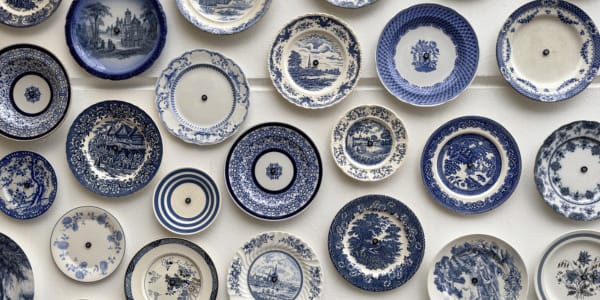
Fine china is like the champagne of dinnerware—sophisticated, smooth, and undeniably elegant. From its storied history to its modern appeal, we’re breaking down everything there is to know about fine china construction, care, and classification. Keep reading to discover the most exquisite details of this legendary dishware.
The History of Fine China
What is fine china? To get an answer, you must first go back to ancient China, specifically during the Shang dynasty (1600-1046 BC). It was then that a prototype of porcelain was created as a ceramic material. Over time, during the Han, Sui, and Tang dynasties, the Chinese refined this elegant yet durable substance.
Made from kaolin (white clay first discovered in China) and petuntse, also known as feldspathic rock or china stone, porcelain was heated to extremely high temperatures in kilns. This manufacturing gave porcelain a white and translucent look, a glossy shine, and a sturdy finish—beauty and strength in the final product.
During the Ming dynasty (1368-1644 AD), Chinese porcelain offered intricate designs and vibrant colors, instilling a sense of elegance and class. Especially popular were its blue-and-white wares. Fascinated by the exotic look of these pieces, fine china became widely popular among the elite members of society across the globe, leading to its first exports to Asia, Europe, and Africa.
In the 18th century, European manufacturers replicated the production of fine china and approached its construction in their own unique way. Notable European countries that produced exquisite fine china include Germany, France, and England.
Types of Fine China
It’s important to recognize the difference between the two main types of china: porcelain and bone china. By understanding their nuances, you’ll be better informed about their strengths and weaknesses.
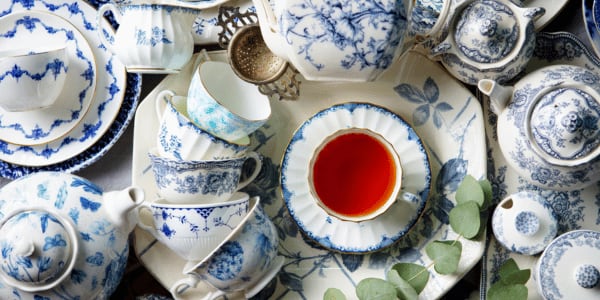
- Porcelain china. Constructed from kaolin and feldspar, porcelain has a clean, white finish and is durable and scratch-resistant. Functional for everyday use, porcelain also provides a great canvas for intricate artwork, like floral designs.
- Bone china. In addition to kaolin and feldspar, bone china also includes bone ash, which is ash made of animal bones. Bone ash comprises 30-50% of the final product. With a milky-white or ivory color, bone china is soft, making it less brittle and less likely to break than porcelain. Because of its luxurious appearance, it’s best suited for special occasions.
How to Spot Authentic Fine China
Whether you’re starting a collection or simply value quality and craftsmanship, identifying genuine antique fine china sets from renowned manufacturers or specific time periods can be difficult. Here’s how to tell if it’s fine china:
Look for logos, signatures, and symbols.
Check the underside of the dish to look for specific markers from the fine china brand. These marks can be stamped, painted, or embedded in the porcelain. Additionally, look for date codes and pattern numbers, and reference them in specialized books or online databases.
Inspect the pattern.
Many manufacturers have their own signature fine china patterns. Familiarize yourself with the common patterns and motifs used by different manufacturers. Pay special attention to the small details and design. The quality artwork in a real fine china set is difficult to replicate.
China plates make great decorative pieces. Read “How to Create a Gallery Wall Like an Interior Designer” to learn more.
Review the condition.
Confirm that the surface is smooth and glass-like. Even glazing and precise detailing are all good signs of an authentic piece. A bubbled surface, blurry patterns, or poorly executed designs are red flags of a fake.
Ask an expert.
Unsure if you have a high-value piece? Consult a professional appraiser or a reputable auction house. They should be able to decipher your dish’s origin and value.
Caring for Fine China
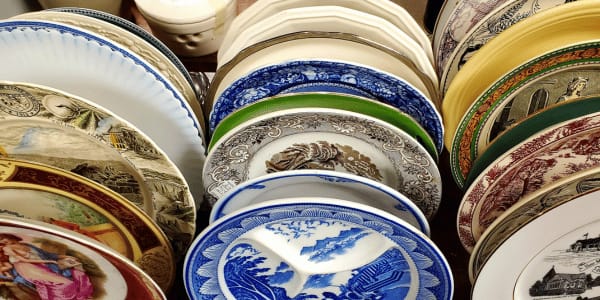
Fine china holds our most remarkable stories, sparks our favorite memories, and celebrates our every win. It deserves the royal treatment. Here’s how to maintain fine china and keep it finer for longer.
Cleaning Fine China
It’s important to clean fine china by hand. Abrasive scrubs, powerful soaps, and scorching hot water can all damage dishes. To clean fine china:
- Line your sink with a towel.
- Fill the sink with warm water and add a teaspoon of mild dish soap.
- Use a soft sponge or cloth to wash each piece separately.
- Rinse thoroughly, confirming each piece is soap-free.
- Dry with a microfiber cloth or air dry.
Removing Stains from Fine China
Coffee, tea, fruits, and other foods can all stain china. Try to wash fine china soon after use to prevent stains from setting in, and consider these methods for tackling the tough stuff:
- Apply a baking soda and water paste to the stain. Allow it to settle for a few minutes, then gently scrub and rinse.
- Saturate the stain with a mixture of baking soda and equal parts vinegar and water. Let it sit for three to five hours, then wash and rinse.
- Blend a solution of three-percent hydrogen peroxide and water in a large plastic tub, fully submerging the stained piece. Soak for several hours or up to two days, rub the stain with a cloth, and then rinse.
LEARN MORE: “11 Interesting Uses for Vinegar”
Storing Fine China
Because the dishes are fragile, there’s a certain art to storing fine china. Wrap each piece individually using acid-free tissue paper or bubble wrap. Other materials, like newspaper, can leave residue. Place the dishes in a plastic container, filling empty spaces with crumpled packing paper or cardboard separators. Finally, store in a cool, dry place, so your china stays happy and healthy while it’s off duty.
Common Mistakes to Avoid When Collecting Fine China
While collecting fine china can be a rewarding hobby, it can lead to a costly conundrum. Make sure you invest wisely and avoid some of the most common pitfalls of early collectors, like:
- Failing to authenticate before purchasing fine china. Properly research the piece before purchasing. Verifying true wares from fake ones is crucial to smart spending.
- Buying fine china in poor condition. Inspect for cracks, crazing, and chipping. Although it may look expensive, repairs can all diminish the worth of fine china.
- Washing fine china in the dishwasher. Harsh chemicals and rough dishwasher pressure can chip, scratch, and wear on the delicate details of your fine china plates and cups. Always handle with care and wash gently.
Tea and Fine China Teacups
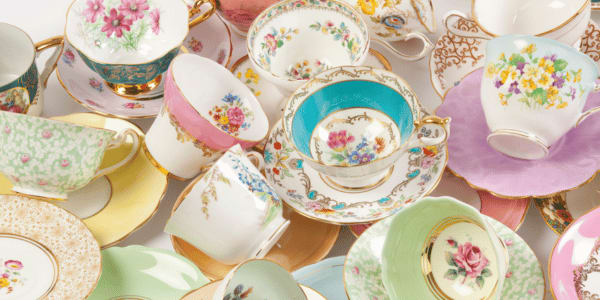
Exploring the history of fine china, the types of fine china, and authenticity markers of fine china, a deep dive into fine china isn’t complete without a toast to tea. Warming the soul from an elegant cup, tea is just as refined as the dish it’s served in. Read our article on tea to learn more about this nutritious and delicious drink, and cheers to a lifetime of delightful sips.
Fine China FAQs
Can you eat off of fine china?
Yes, it’s typically safe to eat off of fine china from reputable brands.
Can fine china go in the microwave?
Fine china with metallic accents and cracks shouldn’t go in the microwave.
Why is it called fine china?
Fine china is called fine china because porcelain originated from China.