Why We Use These Classic Holiday Decorations
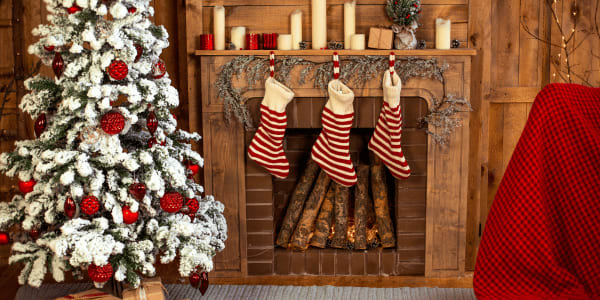
Something magical happens when we pull out the holiday decor each year. From sparkling lights to evergreen wreaths, Christmas decorations transform any ordinary living space into something warm and festive. For most of us, hanging lights and tinsel seem normal, but holiday traditions like these go back centuries. Discover the history of holiday decorations and reignite the joy in seasonal decorating.
Where Did the Idea of Christmas Decorations Come From?
Long before Christmas became what we celebrate today, ancient civilizations brought greenery indoors to brighten dark winter days. The Romans used festive green boughs during Saturnalia, a week-long midwinter event honoring the god of agriculture. Northern European tribes adorned their dwellings with evergreen plants to honor life and resilience during the winter solstice.
These rituals laid the groundwork for modern holiday decorating traditions. As early Christians adopted these seasonal customs, green boughs, holly, and other natural elements became symbols of eternal life and hope.
The Story Behind the Christmas Tree
The origins of holiday decorations date back centuries, and the history of Christmas trees is no exception. The tree tradition traces back to 16th-century Germany, where devout Christians brought evergreen trees indoors and decorated them with simple things like apples, nuts, and paper flowers. Legend credits the religious reformer Martin Luther as the first to light candles on the tree, inspired by the stars shining through the branches while walking home one day.
The tradition spread across Europe when Queen Victoria and her German husband, Prince Albert, appeared in an illustrated news publication standing around a decorated Christmas tree with their children. The British Royal family's popularity sparked a global movement, turning the Christmas tree into an iconic centerpiece across Europe and North America.
RELATED: How to Keep Your Christmas Tree Thriving All Season Long
Where Did Christmas Ornaments Come From?
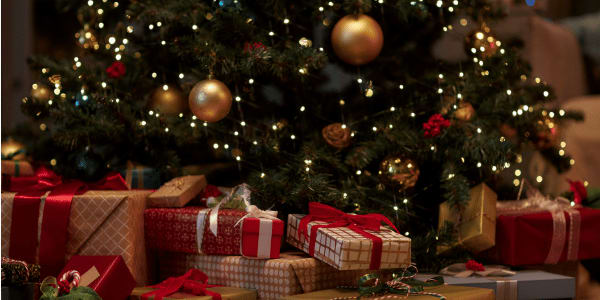
The earliest Christmas ornaments were entirely edible and featured fruit, nuts, and spiced cookies hung on the tree branches. In the 1840s, a glassblower in Lauscha, Germany, created the first glass beads and blown-glass fruit ornaments, known as Kugeln, to replace expensive real fruits.
By the late 1880s, American merchant F.W. Woolworth began importing glass ornaments to the United States, launching a mass market for colorful, shiny baubles that continue to trim evergreen branches today.
Why We Hang Wreaths on Doors
Hanging a circular wreath on the front door combines ancient symbolism with practical recycling. In Greece and Rome, wreaths made of laurel or olive leaves represented victory, honor, and high status.
When Christmas trees gained popularity across Europe, families often had to trim excess branches so the tree would fit inside their living room. Resourceful holiday decorators pruned those extra branches and hand-wove them into rings. The circle symbolized eternity, while the fresh foliage represented surviving the harsh winter. Today, hanging a wreath remains a hallmark of seasonal entryways.
The Origins of Holiday Lights
Before electric lighting, families lit their holiday trees with real wax candles secured to branches with melted wax or small metal clamps. However, these beautiful, candlelit trees posed a fire hazard. Families kept buckets of water or sand nearby whenever they lit the candles, just in case.
In 1882, Edward H. Johnson, an associate of Thomas Edison, hand-wired 80 red, white, and blue electric light bulbs together and wrapped them around a Christmas tree in New York City. By the early 1900s, companies like NOMA Electric Corporation began mass-producing affordable, safe string lights, allowing families to easily decorate their trees and rooflines for the holidays.
Why We Hang Stockings by the Fireplace
The tradition of hanging oversized stockings from the mantel stems from a classic legend involving Saint Nicholas of Myra. The story tells of a widowed father who was struggling to provide dowries for his three daughters. Hearing of their predicament, Saint Nicholas rode by their home at night and tossed three small bags of gold down the chimney.
The gold bags landed in the daughters' washed stockings, which they had hung by the fireplace to dry overnight. When the girls woke up the next morning, they discovered the gold inside. Since then, children have hung stockings by the fireplace on Christmas Eve to be filled with small gifts, fruits, and treats.
The Meaning Behind Mistletoe
Before mistletoe was an excuse for a holiday kiss, the plant held deep spiritual significance. Ancient Celtic Druids viewed mistletoe as a sacred symbol of fertility, peace, and healing because it stayed green and bore white berries even in harsh winters. According to folklore, enemies who met under mistletoe had to lay down their arms and observe a temporary truce.
In the 18th century, English servants played a game that let them kiss under mistletoe. A man could kiss any woman standing under the plant and pluck one white berry for each stolen kiss until the berries were gone.
How Candy Canes Became Holiday Decor
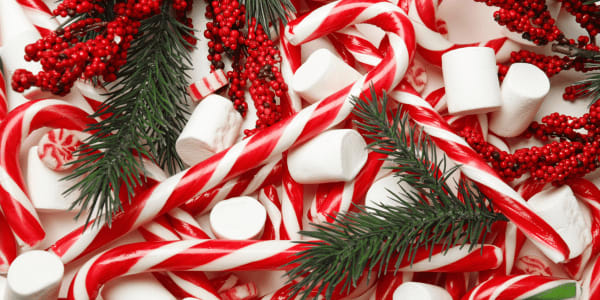
Candy canes have long been used as a decorative element on trees and wreaths, but they were first introduced as a festive treat. Back in 1670 in Germany’s Cologne Cathedral, a choirmaster gave young children bent white sugar sticks to keep them quiet during long Christmas services. He had the candies shaped into hooks to represent a shepherd's crook.
It wasn’t until the early 20th century that red stripes and peppermint flavoring were added. Today, candy canes adorn Christmas trees, enhance tabletop centerpieces, and are as much a classic delight as they were back then.
RELATED: Giftable Goodies: Yummy Recipes That Are Great for Gifting
Conclusion
Every ornament, string of lights, and door wreath you hang carries centuries of holiday history, including ancient folklore, royal trends, and innovations. As you deck the halls this season, take a moment to appreciate the stories behind your favorite traditional holiday decor.
Looking to round out your seasonal greenery? Complement your style with another staple decoration: a live poinsettia. Check out our complete guide to caring for a poinsettia to keep it healthy.
Frequently Asked Questions About Holiday Decorations
What is the oldest Christmas decoration?
The oldest Christmas decoration is evergreen greenery. Boughs of holly, pine, and fir were brought indoors by ancient Romans and early European cultures long before Christmas trees or glass ornaments were introduced.
What is the most popular Christmas decoration in the world?
The Christmas tree is universally recognized as the most popular holiday decoration worldwide. Paired with string lights and ornaments, decorated evergreen trees serve as the centerpiece of seasonal decor across millions of homes.
What is the most sold item for Christmas?
Holiday lights and Christmas ornaments consistently rank among the top-selling decor items globally during the winter holiday season. Millions of strings and ornament packs are purchased annually to refresh outdoor displays and tree themes.
How did people decorate for Christmas in the 1800s?
In the 1800s, people decorated mostly with natural, handmade items, like corn garlands, dried fruit, nuts, gingerbread cookies, paper snowflakes, and real candles set in small metal clips. Glass ornaments didn’t gain wide popularity until the late 19th century.