How to Prepare Your Home for a Heatwave
Extreme heat can strain your home's infrastructure and take a bite out of your summer energy budget. With a little preparation, you can keep things cool, comfortable, and less costly all season long. Use this guide to get our top heatwave home tips and learn how to prepare for a heatwave.
What is a Heatwave?
A heatwave is a prolonged period of excessively hot weather. Heatwaves often include high humidity, making conditions even more uncomfortable. The exact temperatures that classify a heatwave will vary by region, but according to the National Environmental Satellite, Data and Information Service, highs must be outside the historical average for an area for two or more days to warrant a heatwave weather forecast.
Why Heatwave Preparation Matters
Preparing for a weather heatwave helps maintain the physical health of your family and the structural integrity of your home. High heat puts immense pressure on your home cooling system, which can lead to expensive repairs down the road. Also, an unprepared home can become a heat trap, driving up electricity costs as your air conditioner struggles to keep up.
RELATED: How to Seal Your Home to Save on Heating and Cooling

How to Prepare Your Home for a Heatwave
Understanding how to protect your home from extreme heat each year is critical. Follow these heatwave safety tips to keep your home comfortable:
1. Check on Your HVAC System
Your air conditioner is the hero of the story during a heatwave. It serves as your first line of defense against unyielding heat. Before summer really starts to heat up:
- Schedule an annual inspection: Have an HVAC professional ensure your system is running as it should.
- Change air filters: Replace filters monthly to improve airflow and reduce energy consumption.
2. Block Out the Sunlight
Solar heat coming through the windows is a major contributor to rising indoor temperatures. Do the following to block out light:
- Close the blinds: Keep curtains and drapes closed during the hottest parts of the day.
- Use specialized window treatments: Reflective window films or blackout curtains are especially effective at keeping thermal energy out.
RELATED: How to Buy New Windows
3. Improve Home Insulation
People tend to think about home maintenance and insulation during the cold season, but it’s equally important to reduce heat in the house during the summer months. Take these critical steps:
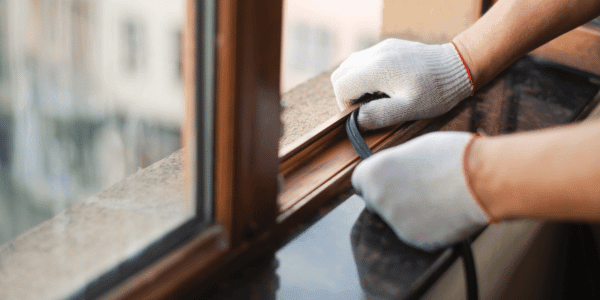
- Seal air leaks: Use weatherstripping or caulk around doors and windows.
- Check the attic: Ensure proper attic insulation to prevent heat from radiating downward into living spaces.
4. Reduce Indoor Heat Sources
Small changes in your daily routine can keep internal heat sources from making the house hotter. Use these tips to keep the inside cool:
- Limit appliance use: Frequent oven usage can warm up your entire home. Mix in cold meals like salads and use the outdoor grill during summer months.
- Power down electronics: Turn off incandescent light bulbs and electronics when not in use, as they emit heat.
5. Prepare for Potential Power Outages
Extreme summer heat can strain the power grid, causing power outages during heatwaves. Keep a power-outage kit packed with:
- Flashlights
- Batteries
- Portable fans
- Non-perishable food
6. Stay Hydrated and Stock Up on Water
When the temperatures rise, staying hydrated is a must. Dehydration can weaken the body and lead to life-threatening complications like heatstroke. Always make sure you have enough drinking water on hand for every member of the household to avoid risks.
- Calculate your water needs. A good rule of thumb when preparing for a heatwave is to stock one extra gallon of drinking water per person.
- Plan for cooling: Keep an additional gallon per person for cooking and personal cooling (like damp cloths).

7. Protect Your Home's Exterior
The exterior of the home is often neglected during a heat emergency. It takes a beating from the sun's intense UV rays. To give it some help:
- Inspect the roof: Check for missing or damaged shingles that could compromise your home's protection.
- Maintain gutters: Clear out dry leaves and debris to reduce fire risk during dry heat.
8. Protect Your Garden and Plants
While working outdoors, give your garden and plants some love, too. Plants can wither quickly in extreme heat. Plan to water them in the early morning or late evening to help minimize evaporation. Also, consider applying a layer of mulch to keep the soil moist, even in the scorching sun.
More Heatwave Protection Tips
When the summer weather turns extreme, you’ll be glad you took extra steps to understand how to prepare for a heatwave. Making your home heat-ready and adjusting your daily habits means the hottest days of the year don’t have to be the most uncomfortable. For more heatwave tips, read “How to Keep Your Pet Cool This Summer” to learn how to keep furry friends safe.

Frequently Asked Questions
How do I keep my house cool in 100-degree heat?
During high temperatures like that, your best option is to focus on zonal cooling. Keep the family at the lowest level of your home. Make sure ceiling fans are moving in the counter-clockwise direction. This creates a wind-chill effect. Keep all windows, especially sun-facing ones, covered with heavy drapes.
Should you open or close windows during a heatwave?
You should leave windows closed and locked during the hottest times of the day. The outside air is hotter than the air inside the house during peak-heat hours. At night and in the early morning, if it’s cool outside, open the windows to create a cross-breeze through the house. This will flush out hot, stagnant air.
How long does a heatwave last?
Most heatwaves last three to seven days, although their duration can vary depending on local climate and high-pressure systems. In some cases, an extreme heat event can last two weeks or more.