7 Things You Should Do to Prepare for Tornado Season
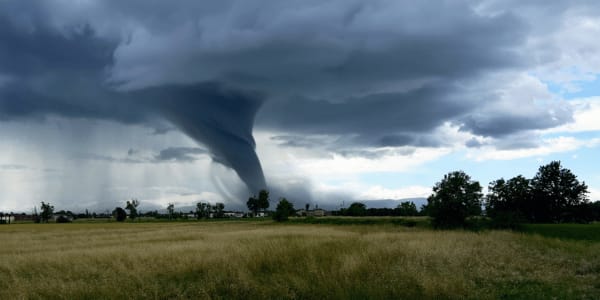
Tornadoes are unpredictable severe weather events. While all tornadoes cause destruction, the most intense can lift cars into the air, demolish homes, and turn debris into hazardous projectiles. In 2025, over 1,000 tornadoes touched down with an economic impact of nearly $2 billion.
Tornado prep is about more than stocking supplies, though. You’ll need a comprehensive tornado plan to ensure everyone in your household knows exactly what to do when every second counts. Whether you live in a high-risk region or just want to be informed, follow these seven steps to learn how to prepare for a tornado and face tornado season with confidence.
1. Stay Alert and Stay Informed
The first step in tornado preparation is to understand tornado basics, including your local risk and how warnings are communicated.
What Is a Tornado?
A tornado is a strong column of rotating air that touches the ground, usually associated with a thunderstorm. Reaching speeds of up to 300 miles per hour, tornadoes not only cause a lot of damage, but they also show the immense energy of nature.
When Is Tornado Season?
Tornado season varies by region. In the southern plains, May and June are when storms are at their worst. In the Midwest and the Northern Plains, tornado season runs from June to July.
Where Are Tornadoes Most Common?
Tornadoes are most common in the Midwest region, known as “Tornado Alley” (South Dakota, Nebraska, Kansas, Oklahoma, Texas), and the Southeast, but they can technically occur anywhere in the U.S.
Tornado Watch vs. Tornado Warning
A tornado watch means that conditions in your area favor a tornado forming, while a tornado warning means that a tornado is already occurring or is imminent.
When a tornado is near, your local forecast office will issue a tornado watch alert or a tornado warning. Tornado warnings are received immediately via Wireless Emergency Alerts (WEA) on smartphones, NOAA Weather Radios, weather apps, local news outlets, and outdoor sirens.
Signs of a Tornado
It’s important to know what to look for so you can initiate your safety plans. These are the most common signs that a tornado is coming:
- A rotating funnel cloud
- A loud, freight train–like roar
- Dark or greenish skies and flying debris
- A strange quiet during or following a severe thunderstorm
The more knowledgeable you are about tornadoes, the easier it will be to spot incoming danger and give yourself more time to act.
RELATED: 10 Things to Do On a Rainy Day That You’ve Never Thought About
2. Designate a Safe Space in Your Home
Every home should have a clearly identified tornado shelter area that protects you from flying debris, intense winds, and structural collapses. Go to it as soon as you receive a tornado warning or hear tornado sirens. The safest option for a shelter area is typically a basement, storm cellar, or FEMA-rated safe room. If you don’t have one of those, choose:
- A small, interior room
- A room on the lowest level of your home
- A room or area with no windows (bathrooms, closets, hallways, etc.)
- Rooms without heavy objects above (like appliances) that could fall through the floor

3. Build a Tornado Emergency Kit
When a tornado hits, you may need to shelter in place for hours—or even days afterward, depending on the severity of destruction. A well-stocked emergency kit can make all the difference in getting through those tough times.
Tornado Supplies List
Make sure your home’s tornado prep kit includes:
- Water (at least 1 gallon per person per day)
- Non-perishable food and a manual can opener
- Flashlights with extra batteries
- First aid kit and medications
- Portable phone chargers or backup batteries
- Portable generator
- Personal hygiene items
- Blankets or sleeping bags
- Helmets (especially for kids) to protect from debris
- Copies of important documents
- Cash
Store your tornado supplies in an easy-to-carry container near your designated safe space.
4. Create and Practice a Family Tornado Plan
Your family should know exactly what to do without hesitation when a tornado arrives. Questions and confusion can lead to deadly delays. To avoid disaster, establish a plan that includes:
- Where to go
- How to communicate
- What to grab before you shelter in place or exit your home
- What do with pets
Practice tornado drills regularly to reduce panic and save valuable time when a real warning is issued.

5. Strengthen and Prepare Your Home
Tornadoes cause about $1 billion in property damage annually. While you can’t tornado-proof a home completely, you can reduce damage and increase safety by:
- Reinforcing or installing a safe room, if possible
- Securing outdoor furniture, grills, and loose items that could become airborne
- Trimming trees and removing dead branches
- Considering reinforcing garage doors and entry points
- Closing and securing doors and windows when storms are in the forecast
6. Know What to Do When a Tornado Hits
When a tornado warning is issued, act immediately—don’t wait to see the tornado. Go straight to your home’s designated safe space. Stay away from windows, doors, and exterior walls. Get under something sturdy, like a table or workbench, if possible. Use blankets, mattresses, or your arms to protect your head and neck.
Tornadoes Away From Home
Being away from home when a tornado touches down can be scary, but getting to a protected place is critical. If you’re not at home, seek safety:
- With your vehicle. You don’t want to be in your car when a tornado arrives. Stop at a secure building and get inside as quickly as you can.
- In large buildings. Go to the lowest level and avoid open spaces like gyms or auditoriums.
- Outside. As a last resort, if you’re stuck outside with a tornado on its way, lie flat in a low-lying area like a ditch and cover your head.
7. Plan for After the Storm
What happens after a tornado is just as important as preparation before it. Stay informed about responses to storm damage and affected areas through your local news or weather radio. Watch for hazards like:
- Downed power lines
- Broken glass and sharp debris
- Gas leaks
- Structural damage
Wear sturdy shoes and gloves during cleanup to avoid cuts and other injuries. Check on neighbors and loved ones. Document your home and belongings ahead of time for insurance purposes and to properly account for lost or damaged items in the aftermath of a storm.
RELATED: Preparing Your Roof for Extreme Weather: Essential Tips for Homeowners
Storm Prep Brings Peace of Mind
Tornadoes are fast, powerful, and often unpredictable—but your response doesn’t have to be. With a solid tornado plan, you can dramatically increase your safety and confidence during severe weather. In some communities, additional storm prep is needed to cover a region’s risks. Read “Preparing for Hurricane Season: Tips to Stay Safe” to get help if you live in a hurricane-prone area.
Tornado Prep FAQs
Where is Tornado Alley?
Tornado Alley is a region in the central United States that includes Texas, Oklahoma, Kansas, and Nebraska. It’s known for a high frequency of tornadoes during springtime, often impacting highly populated areas.
What causes a tornado?
Tornadoes form when warm, moist air near the ground clashes with air at higher elevations from a cold front, creating atmospheric instability that fuels storms.
What was the worst tornado in history?
The deadliest tornado in U.S. history was the Tri-State Tornado on March 18, 1925. It killed 695 people and injured more than 2,000.
Is a tornado watch or warning worse?
A tornado warning is worse than a tornado watch. A tornado watch is an alert that indicates the possibility of a tornado forming in an area. A tornado warning is an alert for when a tornado has touched down or is seen on a weather radar.