Hydrangea Care Tips for Bigger, Healthier Blooms
With their massive blooms and vibrant color, hydrangeas add a lush and romantic feel to any summer landscape. Whether you choose to plant a single hydrangea bush as the focal point of your yard or install a flowering hedge, understanding hydrangea care is the key to success with these perennials. Read on to learn how to keep hydrangeas blooming through the season and beyond.
What Are Hydrangeas?
Hydrangeas aren’t a single plant, but a genus of many different species. These plants all have common globe-like or lacecap flower clusters and typically bloom anywhere from mid-summer to early fall. They’re a top choice among gardeners for their versatility and cottage-garden aesthetic.
Hydrangeas can thrive in many climates, and some change color based on the soil's chemical composition. They’re also perennials, meaning they return year after year, which is a major selling point for garden enthusiasts.
RELATED: 12 Best Flowers to Grow This Spring
Types of Hydrangeas
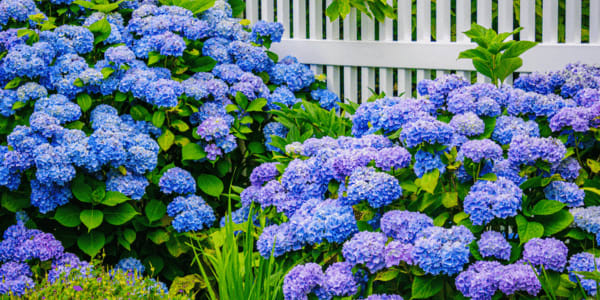
Hydrangeas come in a variety of shapes, colors, and temperament. Some popular types of hydrangeas found in the U.S. include:
- Bigleaf Hydrangea (Hydrangea macrophylla): The most common type of hydrangea, it features a mophead or lace-cap bloom and changes color between blue and pink.
- Panicle Hydrangea (Hydrangea paniculata): Has a cone-shaped flower head and is hardier than other species.
- Smooth Hydrangea (Hydrangea arborescens): Also called Annabelle hydrangea, has large white spherical flowers and is native to North America.
- Oakleaf Hydrangea (Hydrangea quercifolia): Named for its unique foliage that looks like oak leaves, it grows in fall colors and has elongated white flower clusters.
- Climbing Hydrangea (Hydrangea anomala subsp petiolaris): A vine plant that climbs walls, trellises, and fences. It produces a fragrant white flower.

Hydrangea Care
With the right upkeep, hydrangeas are usually easy to grow and maintain. Here’s how to take care of hydrangeas so they reach their full growth potential.
Planting
The best time to plant a hydrangea bush is in the late fall or early spring. That gives the plant time to develop a healthy root system before environmental stressors like heat and cold set in.
When selecting a spot for your new plant, look for one with adequate space. Depending on the variety, you might need up to 15 feet to allow the hydrangea to grow.
Light
In general, hydrangeas prefer morning sun and afternoon shade. They fare well in light areas, but the afternoon sun can cause the leaves to wilt. One exception to this rule is the Panicle hydrangeas. They tolerate the sun better than other hydrangea species, as long as the soil remains moist.
Soil
Hydrangea plants flourish in soil rich with organic matter. They also require good drainage, so they don’t get wet feet and, eventually, root rot. Consider adding compost around the plants to enrich the soil further.
Water
Hydrangeas are thirsty plants. Gardeners will want to give the plants one inch of water each week, during typical weather cycles. When it gets hot, increase it to one inch, two, or three times a week.
Fertilizer
Look for a balanced, slow-releasing fertilizer in the spring or summer. It’s important not to over-fertilize, though, especially if you use high-nitrogen blends. Nitrogen will keep the leaves healthy, but cut back on the blooms.
Pruning Hydrangeas
Pruning can be intimidating for any gardener. However, it’s a vital part of maintaining your hydrangea plants.
Why Pruning Hydrangeas Matters
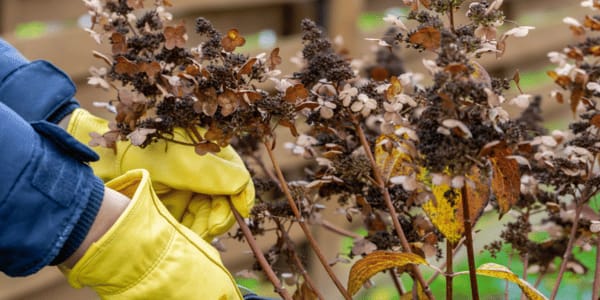
Pruning removes the dead wood from the hydrangea bush. That allows for better air circulation and helps prevent disease. It also encourages the plant to focus on producing more vibrant blooms.
When to Prune Hydrangeas (Old Wood vs. New Wood)
Different varieties of hydrangeas have differing pruning seasons. For example:
- Old wood: Bigleaf and Oakleaf flowers bloom on stems that grew in the previous season, or on old wood. You should prune these stems as soon as the blooms fade in the late summer.
- New Wood: Varieties such as Panicle and Smooth bloom on new wood, or wood that grows in the current season. Prune these plants in the late winter or early spring to stimulate new growth.
How to Prune Hydrangeas
For most species of hydrangeas, remove dead or crossing branches with sharp shears. If you want to revive an older bush, then cut the oldest stems all the way to the ground to promote new, healthy growth.
Hydrangea Colors
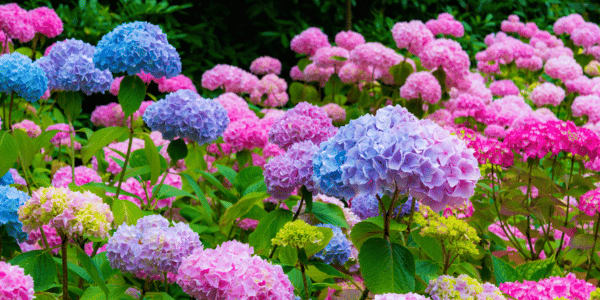
Color is where the hydrangea bush is truly magical. In some cases, gardeners can influence the hue and even completely change the color of the blooms by adjusting the pH of the soil. As with all things hydrangea, variety matters:
- Blue hydrangea: To get the most vivid blue hues, the soil should be acidic with a pH of 5.5 or lower. You can lower the pH by adding aluminum sulfate.
- Pink hydrangea: For pink blooms, the soil needs a pH of 6.5 or higher. To raise the pH, add garden lime to the soil.
- White hydrangea: White hydrangeas do not change with the soil pH. They stay white regardless of the soil quality. They may fade to a light pink or green as they age.
Keep in mind that only Bigleaf and Mountain hydrangea bushes will change color. Others, such as the Panicle, Oakleaf, and Smooth hydrangeas, will retain their natural color regardless of the soil pH.
The Takeaway: Hydrangea Care Is Important
You can transform your outdoor space with some basic hydrangea care. Start by choosing the right plant for your zone. Next, ensure you maintain the proper water and light levels and understand the pruning habits that work best for that species. Finally, enhance the color by adjusting the soil pH to get the boldest blooms. Done right, a few hydrangea bushes can be the cornerstone of your landscaping plan.
For more tips on maintaining a gorgeous autumn garden, check out this guide on how to care for mums.
Hydrangea Care FAQs
Do deer eat hydrangea?
Yes, unfortunately, deer do love hydrangea buds and leaves. Apparently, they’re quite tasty. If you live in a region with lots of deer activity, you might want to use deer-resistant netting or organic repellents.
How do you propagate a hydrangea?
The simplest way to grow a hydrangea bush is to use a 6-inch stem cutting that has yet to flower. Before planting, remove the bottom leaves from the stem and dip the stem into a rooting hormone. Next, plant the cutting in moist potting soil and keep it humid and shaded until the roots form.
How do you dry hydrangea flowers?
Wait until the flower has a papery feel on the bush, usually late summer. Cut the bloom and place it in a vase with about an inch of water. Let the water evaporate to dry the flower.
What is the ⅓ rule for hydrangeas?
Cut back one-third of the oldest stems to ground level each year for three years. It is a process that encourages growth without shocking the bush.
How many years will a hydrangea last?
Hydrangea bushes can last 50 years or more with proper care. They are an excellent investment for your home landscape.