Lessons On Every Type of Parenting Style
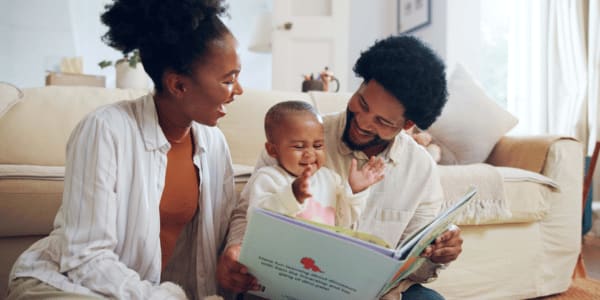
For parents, watching their children grow into little beings with their own personalities is one of life's greatest joys. In fact, data shows that parents of children under six spend more time per day caring for their children than parents of older children. However, it can also be a bit stressful. Finding the right parenting styles is practically a full-time job. Kids don't come with manuals, so navigating those formative years is tricky. Every parent has their own way of raising their kids, but certain types of parenting styles can better support a child's emotional growth and development. Read on to learn about parenting styles and unlock helpful parenting tips.
What Are Parenting Styles?
Put simply, a parenting style is a consistent pattern of behavior that parents use when interacting with a child. It's what creates the emotional climate in which they live at home.
Parenting styles involve two key factors:
- Responsiveness: How much support a parent provides
- Demandingness: The rules and behavior expectations set for the child
These styles set the tone for your kid. As a parent, you help shape your child's understanding of behavior and internal expectations of how objects and people function around them.
4 Types of Parenting Styles
Every family is unique, but most fall into one of four primary types of parenting styles: authoritative parenting, authoritarian parenting, permissive parenting, and uninvolved parenting.

Authoritative Parenting
The authoritative parenting style features high responsiveness and demandingness. Some consider this the most effective method for healthy development because it sets boundaries but also provides warmth and affection.
Key Traits:
- Clear rules that have reasoning and remain consistent.
- Prioritizes emotional closeness and physical affection to help children deal with their emotions.
- Mistakes are opportunities, not reasons for punishment.
- Parents listen to a child's perspective but don't always agree with it.
Pros & Cons:
- Pros: The style provides better long-term results. Children tend to be more self-reliant, sociable, and able to handle stress.
- Cons: It's time-consuming and requires constant communication and emotional energy. It's necessary to both explain the rules and enforce them consistently.
Authoritarian Parenting
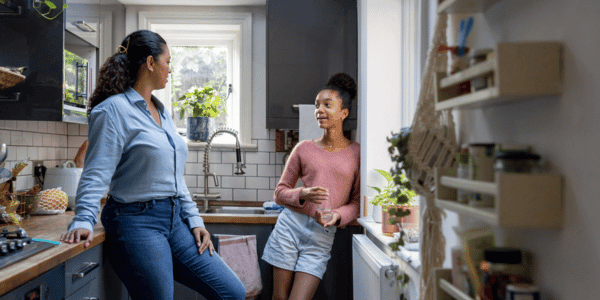
The authoritarian parenting style is high in demandingness but low in responsiveness. It's what some parents call "tough love." Interestingly enough, more than four in 10 parents describe themselves as overprotective, according to a Pew Research study.
Key Traits:
- One-way communication in which the parent dictates and the child obeys.
- Little physical affection compared to other parenting styles.
- Strict rules with high expectations of obedience.
- Focus on punishment instead of creating learning opportunities.
Pros & Cons:
- Pros: Children tend to be well-behaved, especially in structured environments like school. They understand that misbehaving comes with clear consequences.
- Cons: Children raised in this style are obedient but may struggle with self-esteem and be aggressive toward others.
Permissive Parenting
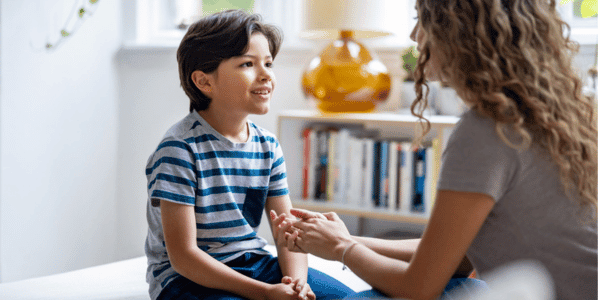
The permissive parenting style is high in responsiveness but low in demandingness. Permissive parents are warm and loving but don't strictly enforce rules or set boundaries.
Key Traits:
- Few rules or boundaries
- Parents act more like friends.
- They rarely say no, often to prevent conflict with the child.
- They offer high levels of nurturing and validation.
Pros & Cons:
- Pros: Children raised in this manner feel loved and have high self-esteem.
- Cons: Since parents don't set limits, children may struggle with self-control and have difficulty adjusting to school and work environments.

Uninvolved Parenting
This style offers low responsiveness and demandingness. The parent provides basic needs such as shelter, but is otherwise absent.
Key Traits:
- There's little to no supervision.
- Parents maintain emotional distance and show little interest in the child's milestones.
- There are no rules in the house.
- Very little communication or physical touch.
Pros & Cons:
- Pros: There are no pros to this style of parenting for the child.
- Cons: The outcomes tend to be negative. Children develop poor social skills, fail academically, and can be emotionally unstable.
How Parenting Styles Impact Children
Parents create a blueprint for how a child behaves and develops their temperament as they grow. Little things like physical affection provide stability that influences how children react to stressful situations and how they see themselves. The way you handle boundaries with your child impacts their physical and emotional development.
A balanced parenting style helps them meet milestones and develop self-reliance. For example, parents who use baby walkers exclusively to teach their child to walk may actually hinder their motivation to do so.
If you encourage a baby to move around without a walker, they'll learn to pull themselves up, which helps to strengthen their muscles. A combined approach that uses a walker at times and lets the baby crawl around and figure things out creates a more stable environment.

Can You Have More Than One Parenting Style?
Most parents mix and match their parenting philosophies. For instance, you might be authoritative about personal safety but more permissive about play or food.
Family dynamics can also influence parenting style. Parents are naturally more protective of newborn babies, but hover less as their babies grow older. Parents should be consistent enough that children feel secure throughout the growing process.
RELATED: Gen What? Everything Your Generation Classification Says About You
How to Choose the Best Parenting Style
There's no reason parents have to assign a label to how they raise their children. What matters is intention and balance. Four things are a must:
- Unconditional love
- Positive support
- Acceptance
- Validation
By showing your children love, support, and inclusion, you're charting a successful path forward in the parenting journey.
Parenting Tips to Find Your Style
- Consider your experience as a child. We tend to mimic what our parents do. Think about what style they used and how well it worked for you. What were the good things they did, and what would you like to avoid?
- Take into account how your family fits into the parenting style equation. Think about factors such as siblings, childcare, and other practical issues.
- Pinpoint anything unique about your situation or environment. How many children do you have? Are there any health issues in the family that require your attention?
- Always consider what your child wants within reason. All children have clear preferences about what they like and dislike. One might be a hugger, and the other likes a little distance. Let your baby's personality help guide some of your choices.
The Bottom Line
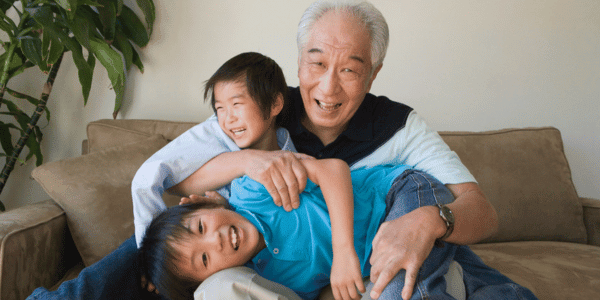
Parenting style isn't something that ends with adulthood. It's a lifelong adventure that includes areas of consistency and things that change as your child gets older. You'll adapt a style to fit your kid's needs and tweak it as you go. From understanding what your baby's cry means to stepping back as they raise their own children, your parenting style is a commitment to helping your kids grow into confident, self-aware adults.