The Curious Origins of the Garden Gnome

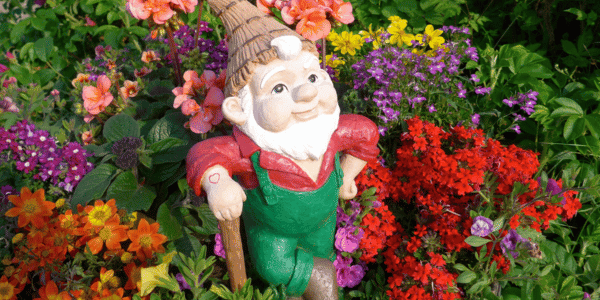
Think about the traditional garden gnome—you either love or hate these lawn ornaments. The stout little fellows, with their pointy red hats, snowy white beards, and cheerful grins, can be found peeking out from behind hydrangeas or standing guard near stone paths at homes across the world. They're a whimsical staple of outdoor decor, but where did they come from? Let's learn about the history of garden gnome statues and their origins in ancient folklore.
What Is a Garden Gnome?
The traditional garden gnome, derived from 16th-century mythology, is a small, humanoid figure that represents elementals believed to live underground. In folklore, garden gnomes move through soil as easily as we move through air, protecting mines and buried treasure. Today, the garden gnome is a traditional lawn ornament that usually depicts a tiny man with a white beard and an iconic conical cap.
Early artisans used fired terracotta clay to create the first commercial lawn gnomes. But modern garden gnome statues can be made of:
- Terracotta, like old-school designs.
- Resin, which tends to be more durable.
- Concrete, that's heavy, and usually a permanent fixture.
- Plastic, usually lightweight and more affordable.
RELATED: Embrace the Hottest Garden and Landscape Trends of the Season

History of Garden Gnomes
Garden gnome history dates back deep into the forests of Germany, spreading to other countries across the world in the following decades.
Germany
Germany is the undisputed birthplace of garden gnomes. Philip Griebel started the trend by producing terracotta gnomes in Gräfenroda. He based the design on local myths of the terragarden dwarfs, or Gartenzwerge. They were said to work in the garden at night while the home's patrons slept. Griebel's creations were meticulously hand-painted and provided a working-class aesthetic of a garden helper with a shovel or pickaxe.
Across Europe
The craze for the garden gnome quickly reached other European countries. In France and Italy, wealthy estates would place Grotesques—hunched, whimsical, stone figures—in their gardens as a sign of status.
Over time, the image of the garden gnome evolved from these grotesque figures into the more fanciful, fun, and friendly gnome we think of today.
England
Sir Charles Isham brought the garden gnomes to the United Kingdom in 1847. He imported the terracotta figures directly from Germany to decorate his estate. One of the original garden gnomes from that time, called Lampy, is still at the estate in Lamport Hall. It's now insured for millions of pounds and considered a national treasure.
America
In the early 20th century, the garden gnome jumped the pond and showed up in the US. It wasn't until 1937 that they gained popularity, though. That's the year Walt Disney released Snow White and the Seven Dwarfs. The film gave the guardians of horticulture a popular look, one with a distinctive American feel. By the 1950s, gnomes were a staple in many middle-class American front yards.
Meaning & Symbolism of Gnomes
There's more to the garden gnome meaning than their cute appearance. They also come with deep-seated symbolism:
- Good Luck: Many homeowners believe garden gnome statues bring good luck to the property they guard. They may bless you with a bountiful garden harvest and protect your home from evil.
- Earth Elementals: Gnomes represent the elements of the earth. They serve as reminders of our connection to the ground and the soil that feeds us.
- Hard Work: Gnomes symbolize the effort that goes into maintaining a garden and the rewards that come with it.
- Protection: These lawn ornaments are protectors of buried treasure. You may not have gold buried in your yard; your treasure is home and family.
Modern Garden Gnomes
Traditional garden gnome designs are still popular, but many have a more modern look thanks to pop culture. Now, you see garden gnomes dressed in sports uniforms, as bikers, and even zombie gnomes on Halloween.
There's still a sense of whimsy around them despite these updates. The traveling gnome is a fun prank where someone takes a gnome, usually stolen from a yard, and goes on vacation. They send the owner photos of the gnome sipping a spritz by the pool or visiting a famous landmark. It's a game that cements the gnome's fun and fantasy style.
Fun Facts About Garden Gnomes
Garden gnome history is filled with different phrases, features, and folklore. Here are some of their most enjoyable attributes:
- The word gnome comes from the Greek gnosis, meaning knowledge. It refers to their secret knowledge of the earth.
- A group or gathering of gnomes is a donge.
- The Garden Gnome Liberation Front rescues gnomes from gardens and returns them to the wild. No one really knows why.
- Female gnomes do exist in modern mythology, wearing much of the same getup as males, sans beards.
- Traditionally, German gnomes were thought to turn to stone if caught in sunlight.
- The oldest gnome is the previously mentioned Lampy. He lives encased in glass to prevent damage.
- Gnomes were at one time banned from the prestigious Chelsea Flower Show because they were tacky. They lifted that ban in 2013.
- Gnomes are around 15 centimeters tall in German folklore.
- Some think gnomes talk to animals, especially the ones that burrow in the soil, such as moles.
- Poland has the world's largest garden gnome. His name is Soluś, and he stands 17.7 feet.

Garden Gnomes and Other Outdoor Stylings
You can't have garden gnomes without a garden! The great thing about the statues is that they work with flowers fit for any season. Check out our list of the "12 Best Flowers to Grow This Spring" to start making a space fit for your figurines throughout the year.
Garden Gnome FAQs
How tall is the traditional garden gnome?
A standard garden gnome ranges from 12 to 18 inches tall. Fairy garden gnomes, however, can be as small as 2 inches, and giant ones exceed 3 feet.
What does it mean when someone gives you a gnome?
Gifting a gnome is a gesture of goodwill. The giver wishes the gifted good luck, protects their home, and hopes they enjoy a flourishing garden.
Where should you place a garden gnome?
Placement is a personal choice, but traditionally, gnomes are placed near the home's entrance or tucked in the garden. They're said to be shy creatures, so they prefer to peek out from behind foliage rather than stand out in the open.
What country is famous for garden gnomes?
Germany is still known for its fabulous garden gnomes. In fact, the town of Gräfenroda, the birthplace of the modern gnome, has a museum dedicated to its history.
Why are garden gnomes popular?
They play a role in pop culture and offer a blend of kitsch and nostalgia to a yard. Their cheerful faces add personality to any landscape, especially when they reflect the homeowners'. Some people want a few gnomes just to decorate, while others make a hobby out of collecting them. They also come in many different price ranges, meaning there is an affordable gnome out there for just about anyone.